Success is the product of daily habits, not once-in-a-lifetime transformations!
James Clear
Why do we perform a habit?
Because our brain is always on the look out for ways to save energy, and building habits is one of them.
A habit consists in an established neurological pattern which unfolds, almost automatically, with a minimal effort from the brain, once it receives a trigger signal.
Therefore the more habits you have, the more your brain is free to create, analyse and learn new skills.
Habits give you FREEDOM
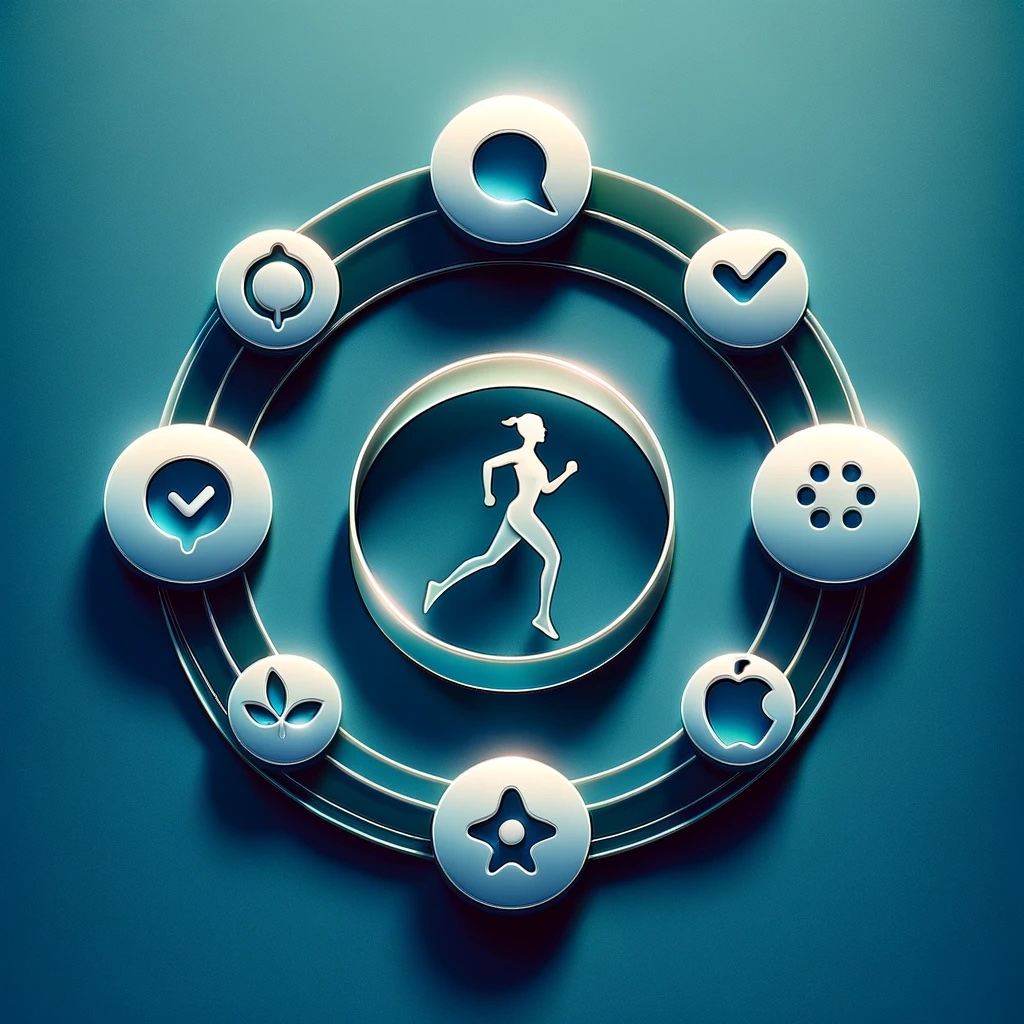
How do habits work? Through a process in our brain which is called the Habit Loop (concept first introduced by Charles Duhigg in his amazing book The Power of Habit https://amzn.to/3Qxo2CS, then refined by James Clear in his best-selling book Atomic Habits https://amzn.to/3tQvNv3).

First, there is a cue/prompt that triggers the brain to start a specific automatic behaviour that anticipates a reward. The reward is usually to make a change in our lives.
Second, there is a sense of craving to get the reward. What we crave is not to perform the habit, but to move a step forward in our changing process. Motivation plays a big role on cravings, because we have to be motivated to change, to perform a specific behaviour, which then becomes a habit through repetition.
Third, there is the execution of the behaviour/routine. When we think about a behaviour we usually think about a physical action, but it can also be a mental routine or an emotional state. For the behaviour to happen is necessary to have enough motivation and ability to overcome the friction associated with that behaviour.
Finally, the routine delivers the reward. The reward satisfies the craving and tell us if the behaviour is worth to be repeated… if the habit is worth to be remembered.
Let’s suppose you want to build the habit of getting fit:
– Cue: keep a dumbbell next to your bedside so that it’s the first thing you see when you wake up and you get out of bed
– Craving: you are looking forward to see your body in a better shape in the mirror
– Behaviour: pick-up up the dumbbell and carry out the exercises
– Reward: you feel satisfied because your muscles are sore, you are sweating from the workout and you feel you are getting fit
One of the most important thing about building habits is the environment where the particular habit is performed. Preparation of the environment is fundamental: you have to plant cues where you need them, so that carrying out your behaviour becomes easier (automatic).
Make performing the routine as easy as possible.
In the above example, it won’t be straightforward to perform your workout with a dumbbell, if you keep it in the garage, but your plan is to do the workout in the living room.
I know that this may seem such an obvious thing, but keep in mind that for every behaviour to be executed, there is mental a friction (Limbic-Friction, as called by Dr. Andrew Huberman, neuroscientist and professor of neurobiology and ophthalmology at Stanford School of Medicine) and, depending on how motivated we are, just adding to it a simple action (another friction), like choosing which book to read from the bookshelf, could make us fail to perform that specific behaviour.

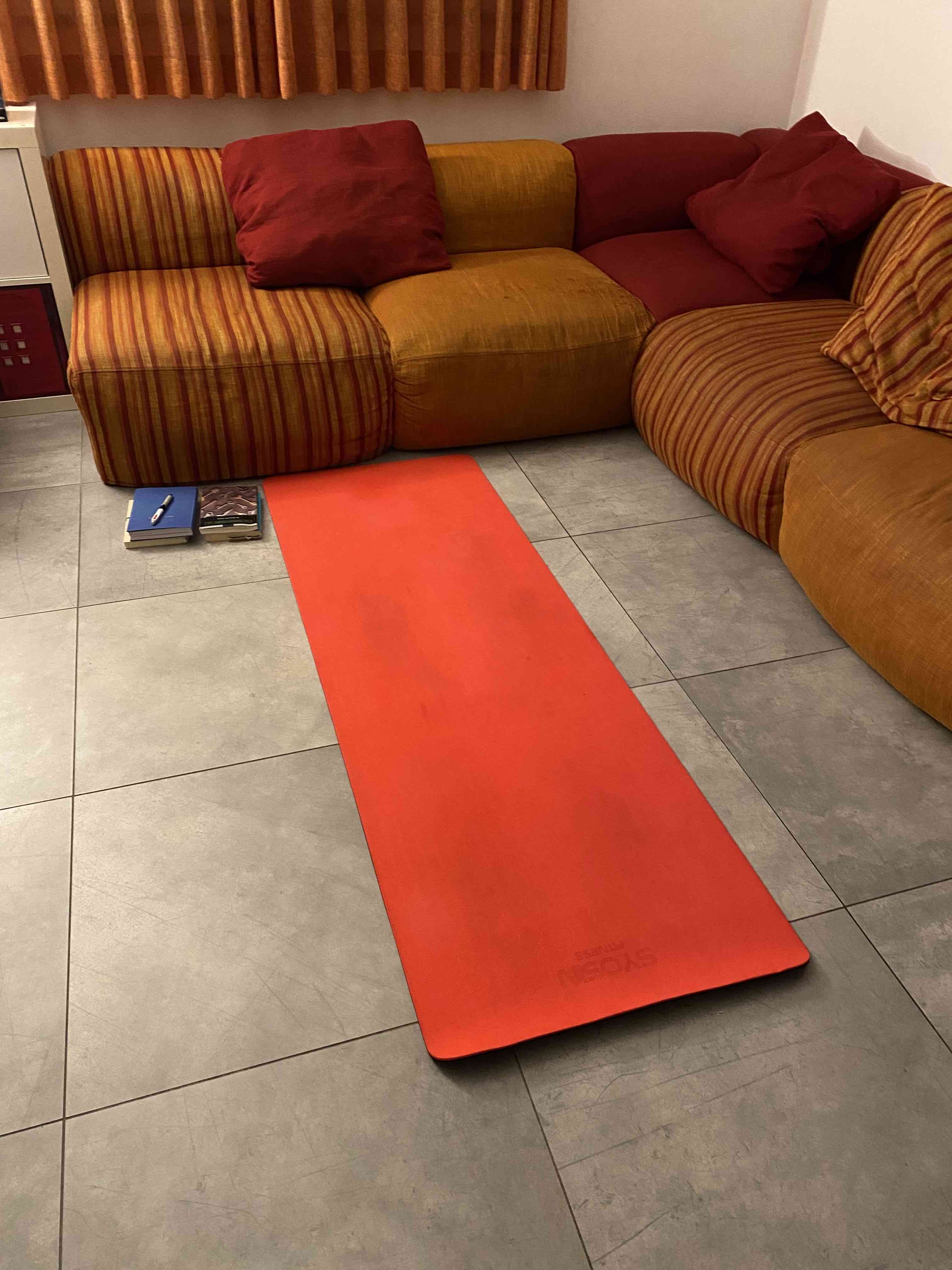
These are pictures of my living room and my kitchen, as I find them every morning. As you can see, everything necessary to perform my habits is there. Every single thing is a prompt: the yoga mat, the planner, the pen, the books, the glass full of water, the Moka, the Cocoa for my 2 girls breakfast…
If you think that this is too much, because it makes you feel like your life is less spontaneous, I invite you to think about your other habits, the ones that you created over time, almost unconsciously: don’t you keep the toiletries in the bathroom? And the kitchen tools in the kitchen? And the clothes in the wardrobe?
What all this “planning” does? It saves you a lot of time, because it makes your life easier!
Habits give you FREEDOM because they save you time and mental effort.
If you are committed to the process you will progress towards success!
REPETITION = SUCCESS
You have to persist to get passed the boredom.
….. get into the Loop!




 Mind the Habit
Leave a comment